
The five best running shoes for beginners in 2026, tested and reviewed by someone who has owned way too many pairs and will absolutely buy them in multiple colorways if they’re good enough.
By Sarah Okafor, Contributing Editor | Last Updated: 2026 | 13 min read
I own running shoes in colors I would never wear in public just because I loved the shoe so much that I had to have the limited edition version when it dropped. This is not normal behavior, I know this, but it’s how I operate when something works. If you find me recommending a shoe in this article, it means I’ve not only tested it extensively but probably also own it in at least two colorways, which should tell you something about how much I trust it.
Choosing your first pair of running shoes is more important than most beginners realize, because the wrong shoe can turn running into a miserable slog that leaves you with shin splints, blisters, or knee pain, while the right shoe makes everything feel easier and more enjoyable. The problem is that the running shoe market is deliberately confusing, with brands releasing 15 different models that all claim to do slightly different things, most of which don’t matter for a beginner who just wants a comfortable, durable shoe that won’t cause problems.
This guide cuts through the noise and gives you five excellent options that work for the vast majority of new runners, along with the specific reasons why each one made the list and which type of runner will benefit most from each shoe.
What Makes a Good Beginner Running Shoe
✓ Enough cushioning to protect your joints without feeling mushy
✓ A comfortable fit that doesn’t require a break in period
✓ Durable enough to last 300 to 500 miles
✓ Versatile enough to handle easy runs, tempo runs, and long runs
✓ Priced reasonably without sacrificing quality
How to Choose Running Shoes as a Beginner
Before we get into specific shoe recommendations, you need to understand a few key concepts that will help you make sense of what you’re buying.
Cushioning matters, but more is not always better
Cushioning is how much foam sits between your foot and the ground, and it’s one of the most important factors in how a shoe feels. Beginners generally benefit from moderate to high cushioning because it absorbs impact and reduces stress on joints that aren’t yet adapted to the repetitive pounding of running. That said, too much cushioning can make a shoe feel unstable and disconnected from the ground, which some runners find uncomfortable. The shoes in this guide all have enough cushioning to protect you without turning into marshmallows.
Stability shoes are overprescribed
Stability shoes are designed for runners who overpronate, meaning their foot rolls inward excessively when it strikes the ground. For years, running stores would put beginners on a treadmill, watch them run for 30 seconds, and prescribe a stability shoe if they saw any inward roll at all. The problem is that most people pronate to some degree, and it’s a normal part of running mechanics, not a problem that needs correcting. Modern research suggests that most runners, including beginners, do better in neutral shoes that let their foot move naturally rather than stability shoes that try to control motion. Unless you have a diagnosed biomechanical issue or a history of injuries that improve with stability features, start with a neutral shoe. If you develop problems, you can always try stability later, but most people never need it.
Fit is more important than brand
Every brand fits slightly differently. Nike tends to run narrow, Brooks fits true to size with a roomy toe box, ASICS runs narrow in the midfoot, New Balance offers multiple width options, and Hoka fits wide in the forefoot. This means the “best” shoe is the one that fits your foot shape, not the one that gets the most hype online. If possible, go to a running specialty store and try on multiple brands to see what feels right. If you’re buying online, make sure the retailer has a good return policy so you can send back shoes that don’t fit.
Price does not equal performance for beginners
The most expensive shoe in the store is not the best shoe for a beginner. Premium shoes with carbon plates, advanced foam compounds, and race specific geometries are designed for experienced runners chasing marginal performance gains, and they offer no benefit to someone logging easy miles three times a week. Every shoe in this guide costs between 140 and 180 dollars, which is the sweet spot for high quality daily trainers that will last 400 plus miles.
The 5 Best Running Shoes for Beginners in 2026
1. Brooks Ghost 17 — The Safe, Reliable Choice
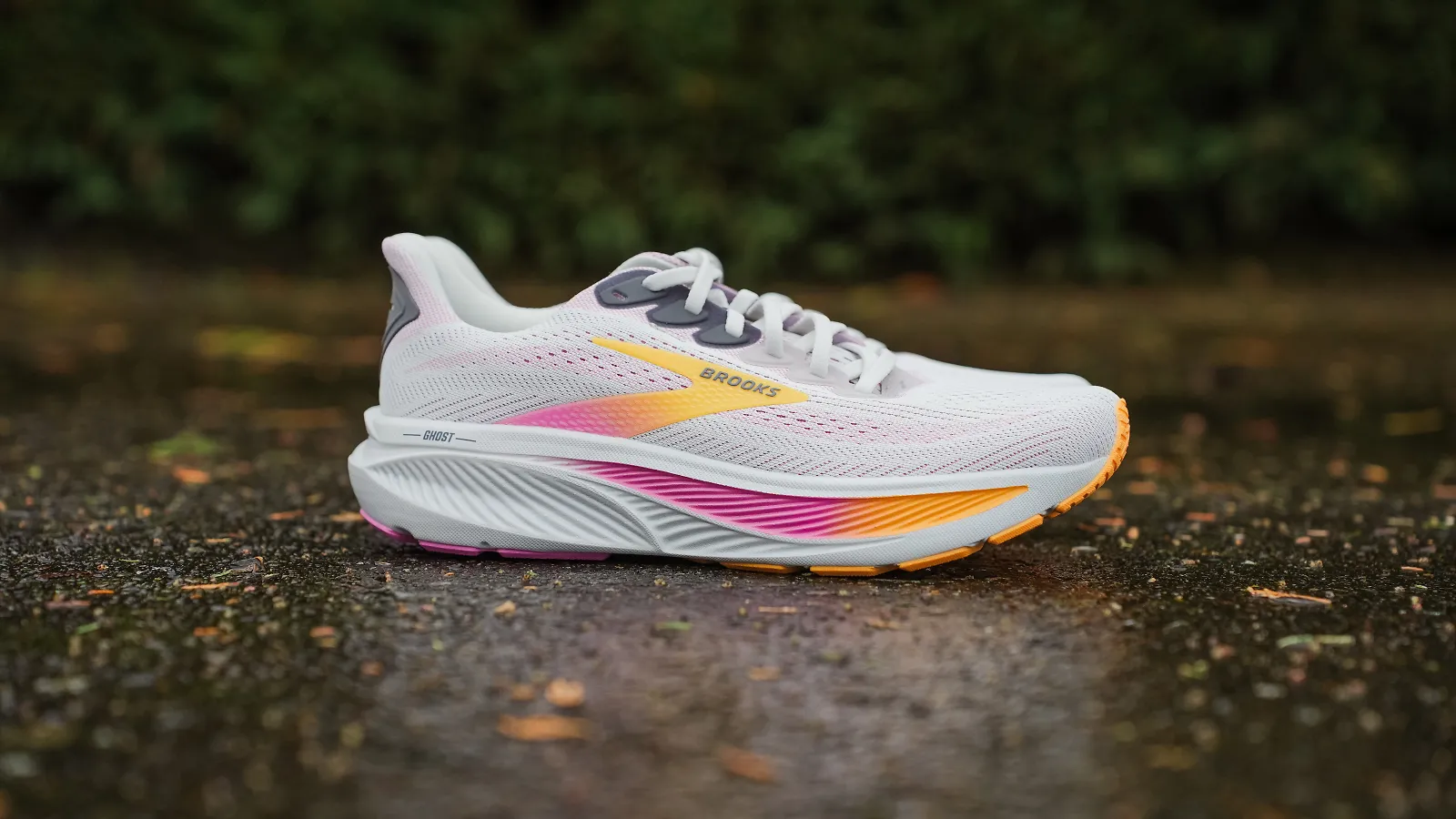
The Brooks Ghost has been a beginner favorite for over a decade, and the Ghost 17 continues that tradition with meaningful updates while keeping what makes the Ghost special. The biggest change is the drop, which has been reduced from 12mm to 10mm, making the shoe feel more modern and less antiquated compared to previous versions. The midsole uses Brooks’ DNA Loft v3 foam, which is softer than previous versions while still maintaining enough firmness for predictability and stability. The ride is balanced and smooth, with flex grooves cut into the outsole that make the shoe more flexible without sacrificing the tank like durability Brooks is known for.
The upper features a new Achilles flare design with generous padding around the ankle collar, making the shoe very comfortable to step into for both running and casual wear. The mesh is stretchy and breathable, offering comfort whether you’re running, walking, or wearing the shoe for work. The fit is accommodating and works for a wide range of foot shapes, with wide and extra wide options available for those who need more room. The Ghost 17 is not flashy or exciting, but it does everything well without quirks or surprises, making it the safest choice for beginners who just want a shoe that works.
Best for: Beginners who want a versatile, no nonsense daily trainer with proven reliability and tank like durability.
Price: Around $150
Weight: 10.1 oz (men’s size 9), 286g
Stack height: 36.5mm heel / 26.5mm forefoot (10mm drop)
2. ASICS Novablast 5 — The Bouncy Option
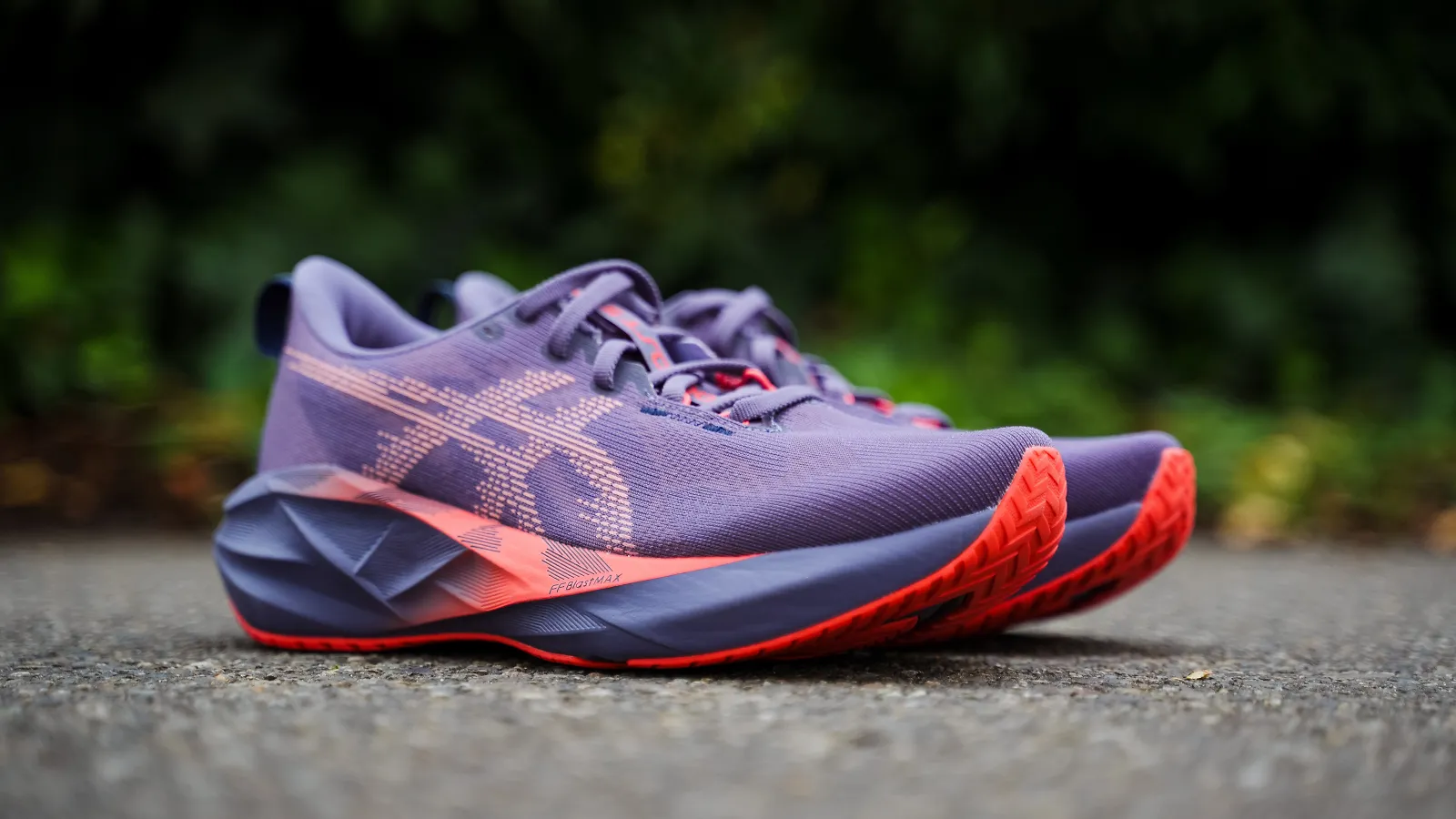
Coming from someone who owns it in multiple colorways, the ASICS Novablast 5 is genuinely enjoyable to run in. The midsole uses FF Blast Max foam which is soft, bouncy, and springy in a way that makes every run feel engaging rather than like work. The ride has a trampoline like quality that encourages a natural faster turnover, but it’s not intimidating for beginners because the foam does a lot of the work for you, making running feel easier and less laborious.
The upper is comfortable and well padded, particularly in the heel area where there’s substantial cushioning around the Achilles and ankle collar. The fit is roomy in the toe box with a secure hold in the midfoot, working well for people with average to slightly wide feet. The foam improves after the first few runs as it breaks in and becomes even softer and bouncier. The shoe excels at easy to steady progression runs where you start slow and gradually pick up the pace, handling that range of speeds beautifully. It’s light enough and peppy enough for tempo runs and even track workouts, though it doesn’t quite match the punch of carbon plated shoes.
The main limitation is durability, as the exposed foam sections and softer outsole rubber mean you’ll likely get 300 to 350 miles of usage. The shoe also has less inherent stability than firmer options, so it might not be ideal for very long easy runs over 90 minutes if you need more support. But for daily training, faster sessions, and making running feel fun rather than like a chore, the Novablast 5 is truly outstanding.
Best for: Beginners who want a lively, energetic shoe that makes running feel fun and effortless, especially for easy to moderate paced runs.
Price: Around $140
Weight: 7.9 oz (men’s size 9), 224g
Stack height: 41.5mm heel / 33.5mm forefoot (8mm drop)
3. Nike Vomero 18 — The Plush, Cushioned Cruiser
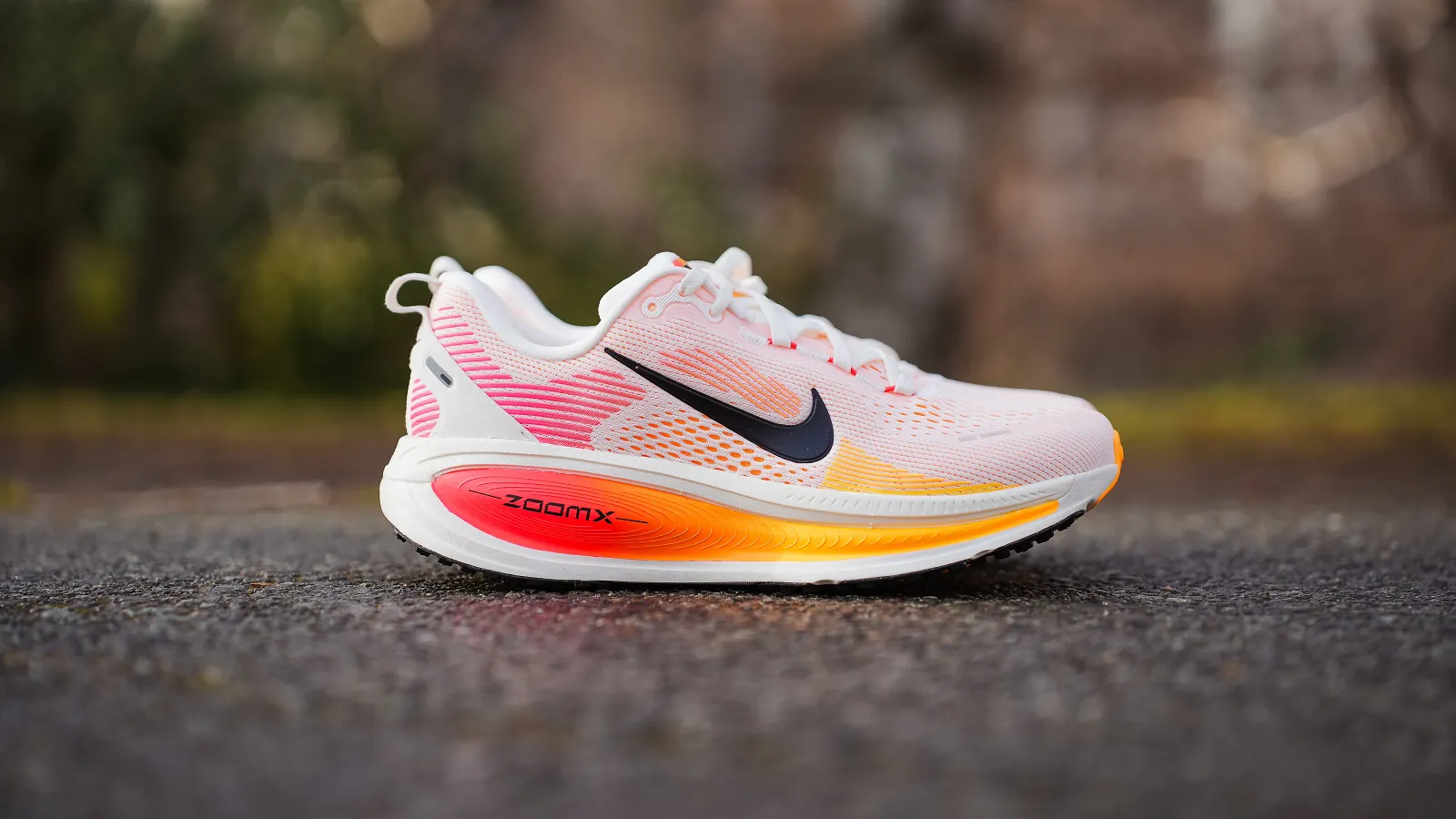
The Nike Vomero 18 is the most cushioned shoe in this guide, stacking two layers of foam for maximum plushness and comfort. The midsole combines ZoomX foam on top with React X foam on the bottom, creating a ride that’s incredibly soft and absorbs road impact exceptionally well. If you’re a heavier runner, running on concrete, or just want maximum joint protection, the Vomero delivers more cushioning than almost any other daily trainer on the market. The upper is comfortable with padded elements, though not overly thick around the ankle collar.
The fit runs true to size but narrow, which is typical for Nike, so if you have wide feet you’ll likely need to size up or consider a different shoe. The heel counter is relatively light and flexible rather than super rigid. At 9.7 ounces in a men’s size 9, it’s on the heavier side, which combined with the very soft React X foam makes it better suited for easy and long runs rather than tempo work or speed sessions. The softness that makes it so comfortable also means the shoe allows quite a bit of foot motion and compression, particularly in the rear foot where it can collapse into inversion under load.
This shoe works best for midfoot and forefoot strikers, or heel strikers who use an orthotic for additional support. The plushness comes with trade offs in terms of stability and responsiveness, but if your priority is pure comfort and shock absorption for easy paced running, the Vomero 18 delivers that better than most shoes on the market. Just be aware that the soft React X foam may break down faster than the more durable ZoomX layer.
Best for: Beginners who prioritize maximum cushioning and comfort for easy runs, particularly midfoot strikers or those with high arched feet.
Price: Around $160
Weight: 9.7 oz (men’s size 9), 8.3 oz (women’s size 8)
Stack height: 42.5mm heel / 29mm forefoot (13.5mm drop)
4. Adidas EVO SL — The Lightweight, Fun Performer
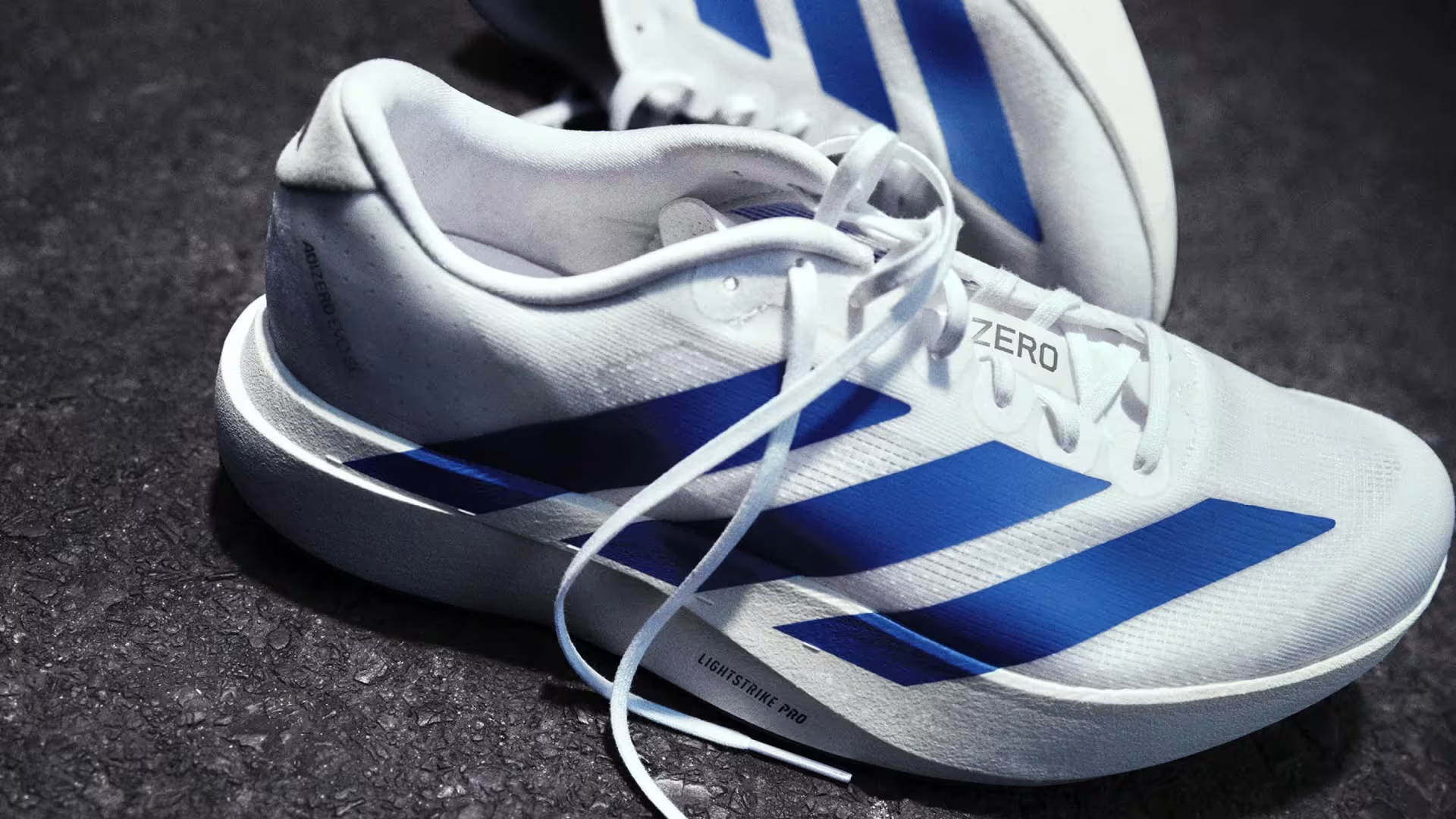
The Adidas EVO SL is the most versatile and fun shoe in this guide, punching well above its price point with performance that rivals shoes costing 20 to 30 dollars more. The midsole uses Lightstrike Pro foam, the same race caliber foam used in Adidas’ performance shoes but without the carbon plate or energy rods. What you get is a lightweight, bouncy, fun daily trainer that feels great at easy paces but also has genuine speed when you want to pick things up. The ride is soft and springy with good energy return, and it actually gets even better after breaking in as the foam softens and becomes bouncier.
The upper is simple, breathable mesh with good structure and a secure midfoot lockdown, plus a comfortable padded heel that makes it much more wearable for daily training than racier Adidas shoes like the Boston 12. The fit is roomier than typical Adidas shoes, with a wide midfoot and roomy toe box, though most people still size up half a size as is common with Adidas. At 7.9 ounces, it’s genuinely lightweight for a daily trainer. The outsole uses Continental rubber in the forefoot with good durability, easily holding up past 400 miles.
The EVO SL excels at easy to steady progression runs where you start relaxed and gradually build pace over the course of an hour. It handles tempo runs, interval sessions, and even track workouts surprisingly well for a non plated shoe, though true race shoes will still have a slight edge in pure speed. The sharp rocker profile under the forefoot encourages faster turnover. The main limitation is that it’s not the most stable shoe, with a tendency to allow some foot roll, so it might not be ideal for very long easy runs over 90 minutes if you need more support. But as a daily workhorse that can handle everything from recovery jogs to speed sessions while being genuinely fun to run in, the EVO SL is exceptional value.
Best for: Beginners who want a lightweight, fun, versatile shoe that can handle easy runs, tempo work, and faster sessions equally well.
Price: Around $150
Weight: 7.9 oz (men’s size 9), 224g
Stack height: 39mm heel / 33mm forefoot (6mm drop)
5. New Balance 1080 v13 — The Ultra Comfortable, Plush Cruiser
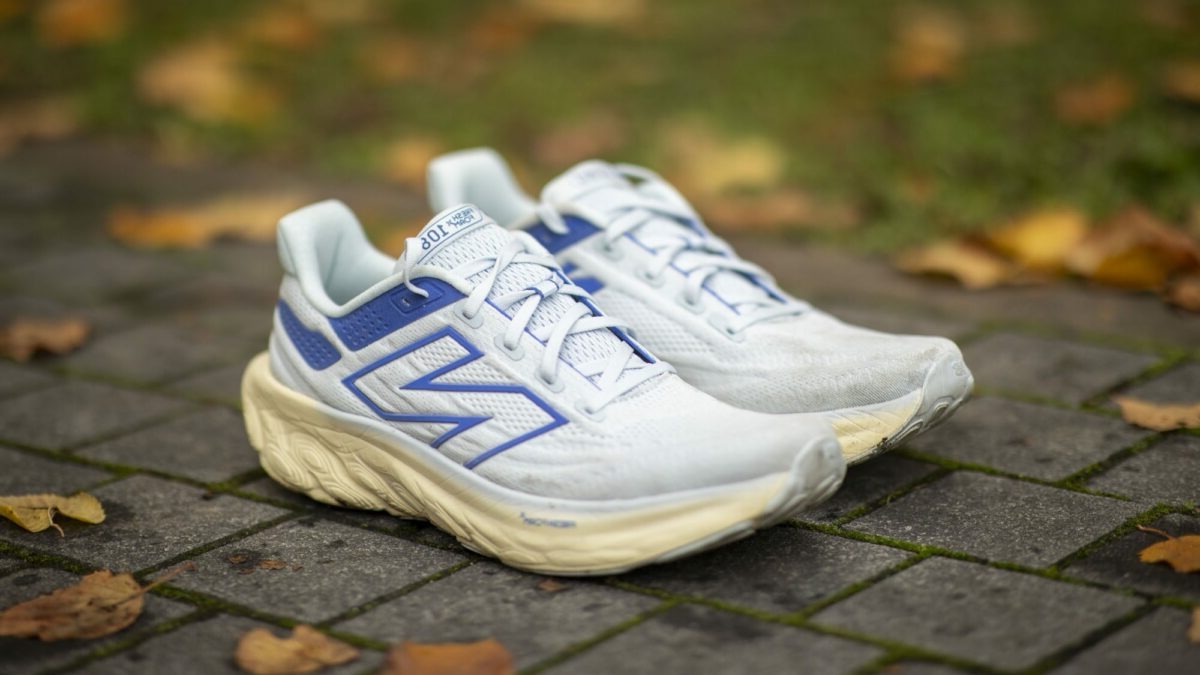
The New Balance 1080 v13 represents a major overhaul from previous versions, transforming from a firm, reliable workhorse into a genuinely soft, plush comfort shoe. The midsole uses Fresh Foam X, which is significantly softer and lighter than the foam in the v12, creating a ride that prioritizes cushioning and comfort above all else. You sink into this foam in a way that makes easy runs and recovery efforts feel luxurious and protective. The upper is engineered mesh with a forgiving, accommodating fit and plenty of padding around the ankle collar and tongue, creating excellent stepping comfort.
The fit is one of the shoe’s biggest strengths, as New Balance offers it in multiple widths including narrow, standard, wide, and extra wide, making it accessible to people who struggle with fit in other brands. The shoe runs fairly true to size, possibly even slightly long, so you don’t necessarily need to size up like you do in some other New Balance models. The toe box is roomy with plenty of space, and the overall fit feels accommodating without being sloppy. At 9.2 ounces in a men’s size 8, it’s not the lightest shoe but it’s reasonable for the amount of cushioning you’re getting.
The 1080 v13 excels at easy paced running and recovery runs where you just want to feel comfortable and protected. It’s ideal for daily mileage at relaxed paces, long slow runs, and any time you want a plush, forgiving shoe that absorbs impact well. The durability is excellent with the typical New Balance build quality. However, the softness that makes it so comfortable also limits its versatility, as the foam doesn’t provide much bounce back or energy return when you try to pick up the pace. It’s not ideal for tempo runs or speed work, and even on long runs, some runners find it feels a bit energy sapping toward the end as you sink into that soft foam without getting much propulsion back.
This is a shoe that’s moved firmly into the max cushion comfort category alongside shoes like the ASICS Gel Nimbus 25 and Hoka Clifton, prioritizing softness and protection over versatility. If you want one shoe to do everything, this isn’t it. But if you want a dedicated easy day shoe that feels luxurious and comfortable, or if you’re a heavier runner who needs serious cushioning, or if you’re training for your first marathon and want maximum comfort on training runs, the 1080 v13 delivers exactly that.
Best for: Beginners with wide feet or those who prioritize maximum comfort and cushioning for easy runs and recovery days.
Price: Around $165
Weight: 9.2 oz (men’s size 8), 262g
Stack height: 34.1mm heel / 28.5mm forefoot (5.6mm drop)
How to Know Which Shoe Is Right for You
If you’ve read through the five recommendations and still aren’t sure which one to pick, here’s a simplified decision tree based on what matters most to you.
If you want the safest, most reliable option: Brooks Ghost 17. It does everything well, fits most people, and has no quirks or surprises.
If you want an enjoyable, bouncy ride: ASICS Novablast 5. It makes running feel engaging and energetic, which helps with motivation.
If you want maximum cushioning and comfort: Nike Vomero 18. Plush, protective, and forgiving, especially on hard surfaces.
If you want a lighter, more versatile shoe: Adidas EVO SL. Responsive enough for tempo runs, comfortable enough for long runs, and lighter than the others.
If you have wide feet or need extra room: New Balance 1080 v13. Available in multiple widths and fits more foot shapes than any other shoe on this list.
When to Replace Your Running Shoes
Running shoes have a finite lifespan, and continuing to run in shoes that are past their usable life increases injury risk and makes running feel harder than it should. Most running shoes last between 300 and 500 miles depending on the shoe, your weight, your running form, and the surfaces you run on. Heavier runners and those who run mostly on concrete will wear shoes out faster than lighter runners who stick to softer surfaces like trails or tracks.
The easiest way to track mileage is to log your runs in a GPS watch or a running app, and set a reminder to check your shoes every 300 miles. Visual signs that your shoes are worn out include compressed midsole foam that no longer bounces back when you press on it, worn down outsole rubber with visible smooth patches, upper material that’s torn or separating from the midsole, and a general feeling that the shoe no longer feels supportive or comfortable. If you’re experiencing new aches or pains that weren’t there before, worn out shoes are often the culprit.
Common Beginner Shoe Mistakes to Avoid
Buying shoes that are too small
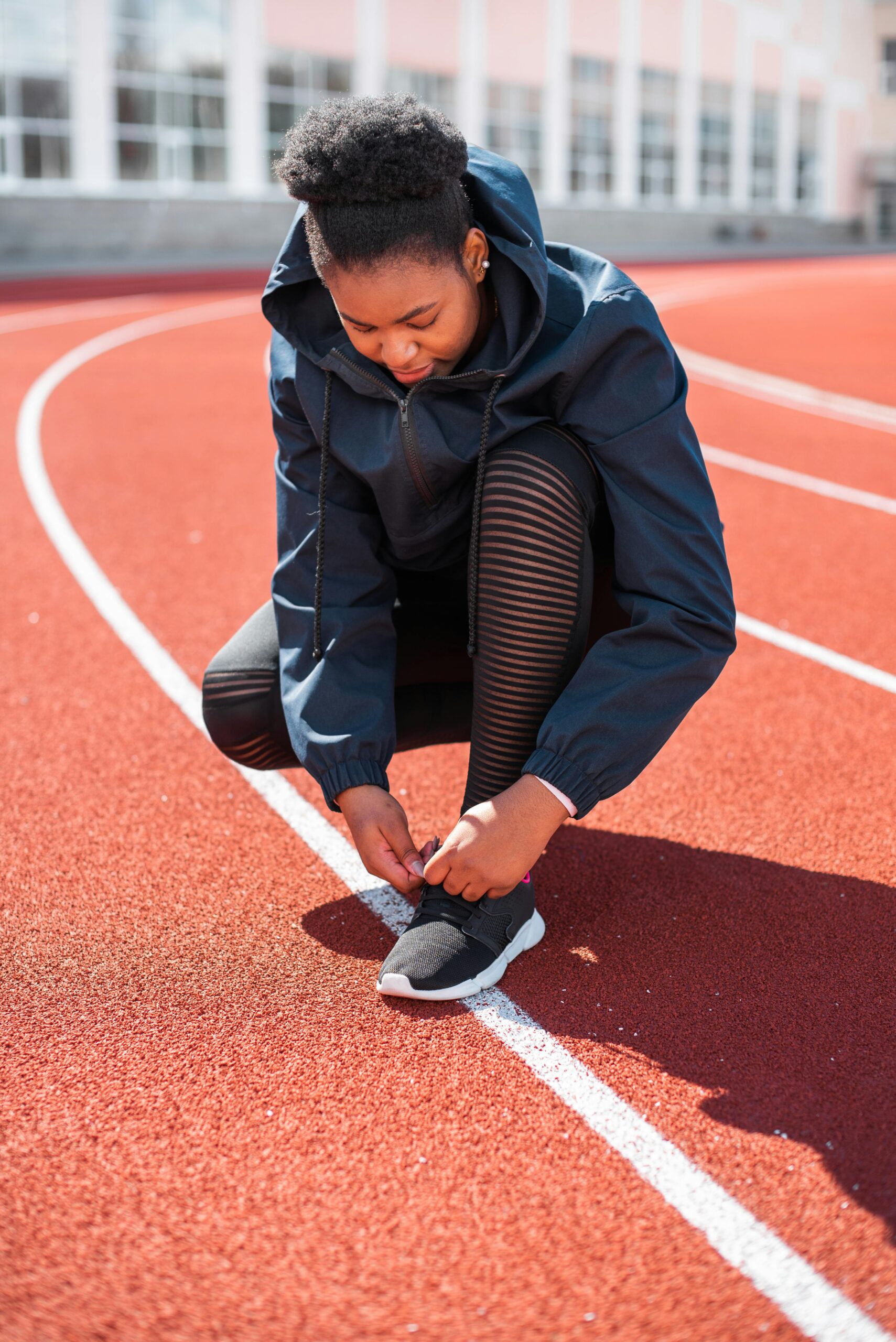
Your running shoes should be a half size to a full size larger than your everyday shoes because your feet swell during runs and you need room for your toes to move. If your toes are hitting the front of the shoe, you’ll develop black toenails and blisters. Leave about a thumb’s width of space between your longest toe and the end of the shoe.
Choosing shoes based on looks
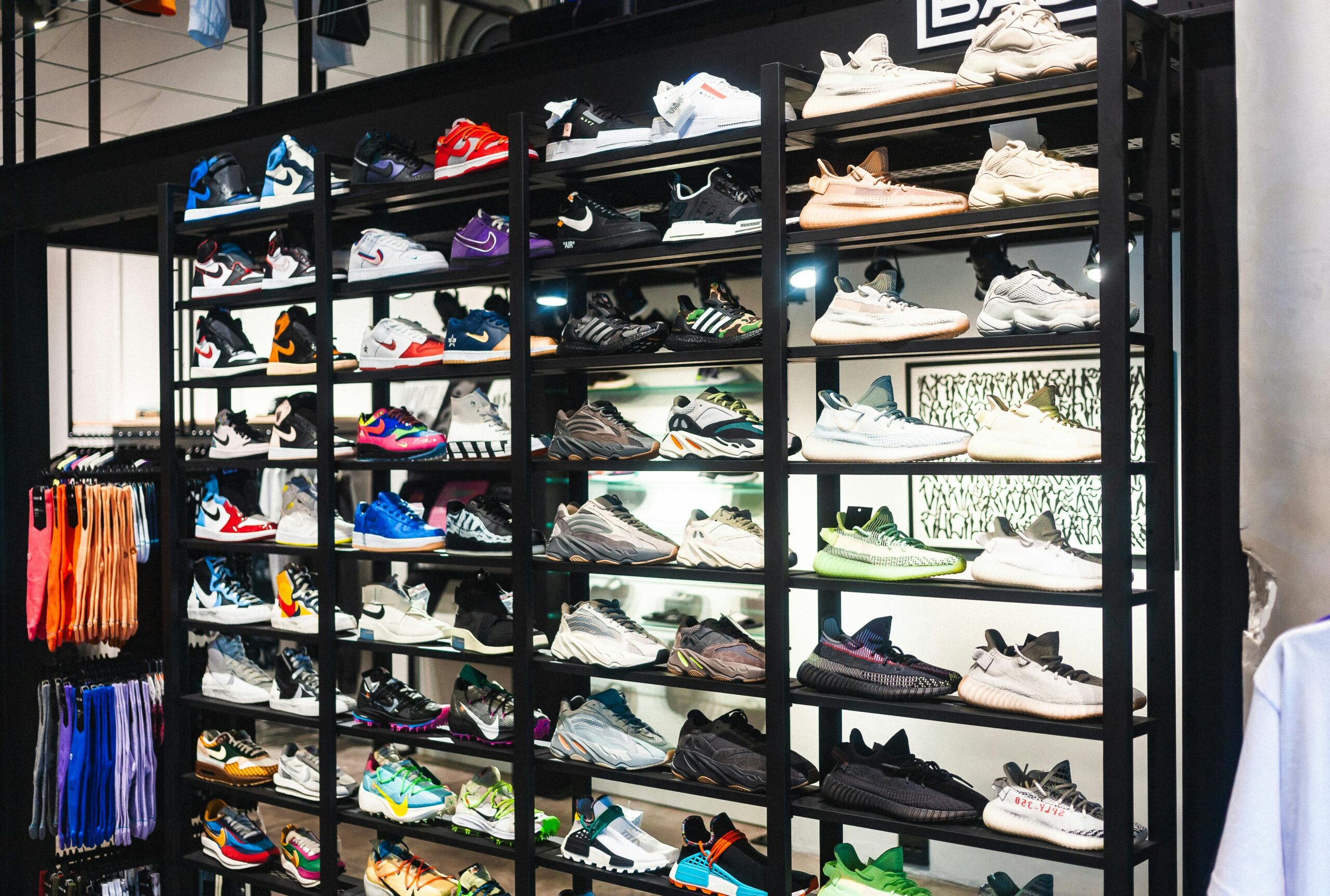
I understand the appeal of a good looking shoe, I own multiple colorways of shoes I love specifically because I like the way they look, but fit and function come first. If a shoe doesn’t feel right on your foot, it doesn’t matter how good it looks. Prioritize comfort and performance, and if you can find a colorway you like in a shoe that already fits well, that’s a bonus.
Skipping the break in run
Even the most comfortable shoe can cause problems if you wear it for the first time on a long run. Always do at least one or two short runs in a new pair of shoes to make sure they fit properly and don’t cause any hot spots or rubbing. If something feels off, return them and try a different model. Most running stores and online retailers have generous return policies for unworn or lightly worn shoes.
Trusting online recommendations without trying shoes on
Online reviews are useful for narrowing down options, but they can’t tell you if a shoe will fit your specific foot shape. If you’re buying online, order from a retailer with free returns so you can try multiple shoes and send back the ones that don’t work. If you have access to a running specialty store, go there first and get fitted properly. The knowledge you gain from trying on shoes in person is worth more than any discount you’d get by ordering blind online.
Frequently Asked Questions
Do I need different shoes for different types of runs?
No, not as a beginner. The shoes in this guide are daily trainers designed to handle easy runs, tempo runs, and long runs all in the same shoe. Once you’re running 30 plus miles per week and doing more structured training, you might benefit from having a second pair of lighter shoes for speed work, but for now one good pair is all you need.
Should I get my gait analyzed at a running store?
Gait analysis can be helpful if you have a history of injuries or biomechanical issues, but it’s not necessary for most beginners. A good running store employee will watch you walk and run, ask about your training goals, and recommend shoes based on fit and comfort rather than trying to prescribe a specific type of shoe based on your gait. If a store is pushing you toward expensive stability shoes after watching you run for 30 seconds, be skeptical.
Can I use trail running shoes for road running?
Trail shoes are designed for off road terrain with aggressive lugs for traction and rock plates for protection, which makes them overkill and less efficient for road running. If you’re running primarily on roads, stick with road shoes. If you’re running on a mix of roads and light trails, road shoes will handle both fine. Only buy trail shoes if you’re doing serious trail running on technical terrain.
What’s the difference between men’s and women’s running shoes?
Women’s shoes are built on a narrower last with a different heel shape and slightly softer cushioning to account for lighter average body weight. That said, plenty of women wear men’s shoes if they have wider feet, and some men wear women’s shoes if they have narrow feet and small sizes. The differences are minor, and fit matters more than whether the shoe is labeled for men or women.
How much should I spend on my first pair of running shoes?
Expect to spend 140 to 180 dollars for a high quality daily trainer. Shoes cheaper than that are usually older models or budget lines with less cushioning and shorter lifespans, which means you’ll replace them sooner and end up spending more in the long run. Shoes more expensive than 180 dollars are typically race shoes with carbon plates or premium models with features you don’t need as a beginner.
Can I run in the same shoes I use for the gym?
No. Cross training shoes are designed for lateral movement, stability, and flat contact with the ground, which makes them terrible for running. Running shoes are designed for forward motion with cushioning and geometry optimized for repetitive heel strikes. Trying to run in gym shoes will leave you with sore feet, knees, and shins. Buy proper running shoes.
Final Thoughts
Choosing your first pair of running shoes is one of the most important decisions you’ll make as a new runner, and it’s worth taking the time to get it right. The five shoes in this guide all have proven track records with beginners, and any one of them will serve you well if it fits your foot properly and matches your priorities. I’ve run hundreds of miles in each of these shoes, and I genuinely believe they’re the best options available in 2026 for someone just starting out.
If you take nothing else from this article, remember that fit matters more than brand, cushioning matters more than weight, and comfort matters more than price. The right shoe is the one that feels good on your foot and makes you want to keep running, and everything else is just marketing noise.
About the Author
Sarah Okafor is a contributing editor at Race Pace Review specializing in running gear and technology. When Sarah’s not testing running gears she’s running trails, fixing her bike, or arguing with her Garmin about whether she’s actually recovered yet.
📖 Related Articles on Race Pace Review
• 16-Week Marathon Training Plan for Beginners
• 8-Week 5K Training Plan: From Couch to Finish Line
• 12-Week Half Marathon Training Plan for First-Timers
• Best GPS Running Watches 2025: Every Budget Covered
• How to Start Running: The Complete Beginner’s Guide
• IT Band Syndrome: Causes, Treatment & Prevention for Runners