

A simple, realistic plan to go from not running at all to crossing a 5K finish line in just 8 weeks.
By Derek Paulson, Contributing Editor | Last Updated: 2026 | 12 min read
I ran my first 5K at age 31. I finished somewhere in the middle of the pack, which sounds respectable until you realize I got passed by at least a dozen people who looked like they could be my parents. A woman who had to be in her late 50s cruised past me at mile 2 like I was standing still. I was flabbergasted. Also: hooked.
That race taught me something important. Running a 5K is not about being fast or fit or young. It is about showing up and finishing. If you can walk for 30 minutes without stopping, you can train for a 5K. This 8 week plan will get you there.
No previous running experience required. No gym membership needed. Just you, a pair of running shoes, and 30 to 40 minutes three times a week. By the end of week 8, you will cross a finish line.
Who This Plan Is For
✓ You are not currently running at all (true couch to 5K)
✓ You can walk comfortably for 20 to 30 minutes
✓ You want a simple, realistic plan without complicated workouts
✓ You have 8 weeks before your target race date
What Makes This 8 Week Plan Different
Most couch to 5K plans are either too aggressive (leading to injury or burnout) or too complicated (interval timers, pace zones, heart rate targets). This plan assumes you are a regular person with a job, a family, and a life. It prioritizes sustainability over speed.
The structure is simple. Three runs per week. Every run alternates between walking and running. The run intervals get progressively longer each week while the walk breaks get shorter. By week 7, you will run the full distance without stopping. Week 8 is a taper week so you arrive at race day fresh and ready.
You will not set any speed records with this plan. That is not the point. The point is to finish your first 5K upright, smiling, and ready to sign up for another one.
The Complete 8 Week Training Schedule
Below is your full plan. Each session shows exactly how long to run and how long to walk. Always start with a 5 minute warmup walk and end with a 5 minute cooldown walk.
| Week | Day 1 | Day 2 | Day 3 | Notes |
|---|---|---|---|---|
| 1 | Run 1 min / Walk 2 min × 8 | Run 1 min / Walk 2 min × 8 | Run 1 min / Walk 2 min × 8 | Focus on form, not speed |
| 2 | Run 2 min / Walk 2 min × 6 | Run 2 min / Walk 2 min × 6 | Run 2 min / Walk 2 min × 6 | You should feel challenged but not gasping |
| 3 | Run 3 min / Walk 2 min × 5 | Run 3 min / Walk 2 min × 5 | Run 3 min / Walk 2 min × 5 | This week feels like a big jump. It is. |
| 4 | Run 5 min / Walk 2 min × 4 | Run 5 min / Walk 2 min × 4 | Run 5 min / Walk 2 min × 4 | Recovery week built in if you need it |
| 5 | Run 8 min / Walk 2 min × 3 | Run 8 min / Walk 2 min × 3 | Run 10 min / Walk 2 min × 2 | Big mental milestone: double digit run intervals |
| 6 | Run 12 min / Walk 2 min × 2 | Run 15 min / Walk 1 min / Run 10 min | Run 20 min straight | Week 6 Day 3 is huge. Celebrate it. |
| 7 | Run 25 min straight | Run 28 min straight | Run 30 min straight | You are now a runner. Seriously. |
| 8 | Run 20 min easy | Rest or easy walk | Race day: 5K | Taper week. Trust your training. |
💡 How to Use This Schedule
Day 1, Day 2, Day 3 = Any three non consecutive days per week. Monday, Wednesday, Friday works. Tuesday, Thursday, Saturday works. Pick what fits your life.
× 8 means repeat that interval 8 times. So “Run 1 min / Walk 2 min × 8” means you alternate 1 minute running and 2 minutes walking eight times in a row.
Rest days matter. Your body adapts and gets stronger on rest days, not during runs. Do not skip them.
The 6 Rules That Will Get You to the Finish Line
1. Run slow enough to hold a conversation
This is the single most important rule for beginners. If you cannot speak in full sentences while running, you are going too fast. Slow down. I mean it. Your run intervals should feel almost embarrassingly easy at first. Speed comes later. Right now you are teaching your body how to run, and that happens at a conversational pace.

2. Rest days are not optional
Three runs per week means four rest days per week. Use them. Your muscles, tendons, and joints need time to adapt to the stress of running. Skipping rest days to “get ahead” on the plan is how beginners get injured. You can walk, stretch, or do light yoga on rest days, but do not run.
3. Repeat a week if you need to
If a week feels too hard, repeat it before moving on. There is no shame in this. Week 3 and Week 5 are the two most common sticking points. If you struggle to complete the workouts, repeat that week until it feels manageable. The goal is to finish, not to rush.
4. Invest in real running shoes
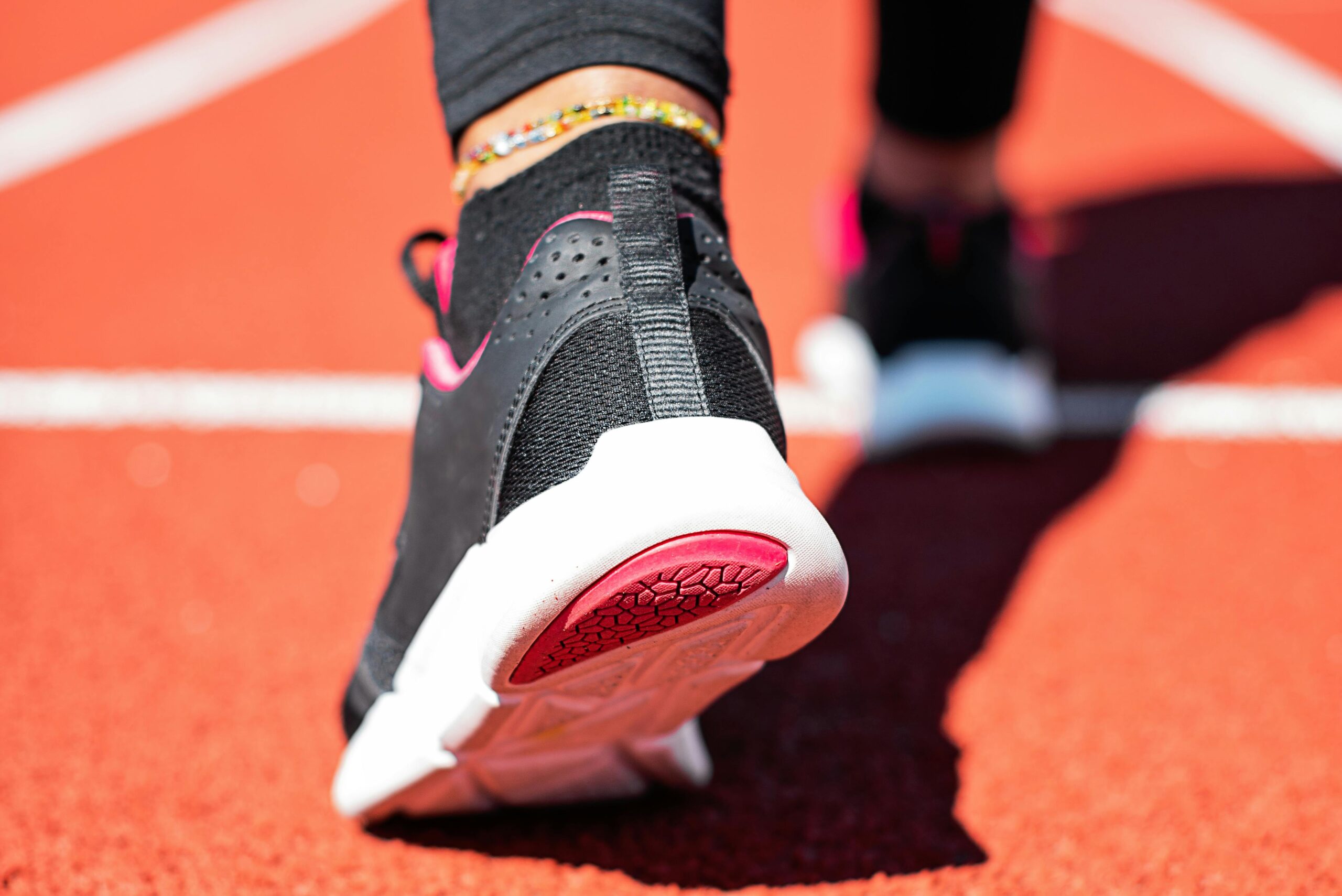
You do not need expensive gear to run a 5K, but you do need proper running shoes. Go to a running specialty store (not a mall shoe store) and get fitted. A decent pair costs 80 to 120 dollars and will last 300 to 500 miles. Trying to train in old sneakers or fashion shoes is asking for shin splints or worse.
5. Sign up for a race now
Do not wait until you feel ready. Register for a 5K that is 8 to 10 weeks away right now. Having a race on the calendar makes the training real. You paid money, you told people, you have a bib number. That accountability is worth more than any motivation hack.
Local parkruns are a great option if you are in the US, UK, or one of the 20+ countries where parkrun operates. They are free, weekly, beginner friendly, and low pressure. You show up, run or walk 5K, and get a time. No registration fees, no race bibs, no pressure. Just a supportive community of people who show up every Saturday morning.
6. Walk breaks are not cheating
Even after you can run 30 minutes straight, it is completely fine to take walk breaks during your race. Many experienced runners use run walk strategies for half marathons and marathons. Jeff Galloway built an entire coaching empire on it. Walking during a race does not make you less of a runner. Finishing makes you a runner.
What About Couch to 5K Apps?
You have probably heard of couch to 5K apps. There are dozens of them. Some are free, some cost money, most have audio cues that tell you when to run and walk.
My honest take: they are generally unnecessary for beginners unless you want to completely outsource the thinking and just follow instructions. If you are the kind of person who likes structure and does not want to track intervals yourself, an app like Couch to 5K by Active or the NHS Couch to 5K app works fine. They are not magic, but they keep you on track.
The mistake people make is treating the app like gospel. If the app says run and you feel terrible, it is okay to walk. If the app says walk and you feel great, it is okay to keep running. Apps are useful tools, not strict rules. The plan I have written above is just as effective and costs zero dollars.
What to Eat Before and After Runs
You do not need special nutrition for a couch to 5K plan. You are not running long enough or hard enough to require gels, sports drinks, or complicated fueling strategies. Just eat normally.
That said, a few practical tips make training easier. Do not eat a large meal within 2 hours of running. If you run first thing in the morning, you can go fasted or have something light like a banana or a piece of toast. If you run later in the day, make sure you have eaten something a few hours prior but are not uncomfortably full.
After runs, eat a normal meal within an hour or two. A mix of protein and carbohydrates helps recovery. Chicken and rice, eggs and toast, a sandwich, yogurt and fruit. Nothing fancy. Just real food.
Hydration matters more than food. Drink water throughout the day, not just around your runs. If your pee is dark yellow, drink more water. That is the entire hydration strategy you need.
How to Pick Your First 5K Race
Not all 5Ks are created equal. Some are chip timed, professionally organized road races with thousands of runners. Others are small neighborhood fun runs with 50 people. Both are fine, but they feel very different.
For your first race, I recommend looking for these qualities:
Beginner friendly. Check the race website or reviews to see if walkers are common and welcomed. Races that advertise themselves as fun runs or community 5Ks tend to be more relaxed than competitive road races.
Flat course. Hills make everything harder. Look for races described as flat or fast. Save the hilly scenic routes for race number two or three.
Local. Your first race is nerve wracking enough without adding travel logistics. Pick something within 30 minutes of home so race morning feels manageable.
Not too early. Races that start at 7 AM sound doable until you realize you need to wake up at 5:30 AM, eat, get to the venue, park, use the restroom, and warm up. Look for races that start at 8 or 9 AM.
And again, parkrun is worth mentioning. If there is one near you, it removes almost all the friction. Free, weekly, same course every time, no pressure. You can walk it one week, run it the next, and nobody cares. It is the lowest stakes way to experience what a 5K feels like.
What to Expect on Race Day
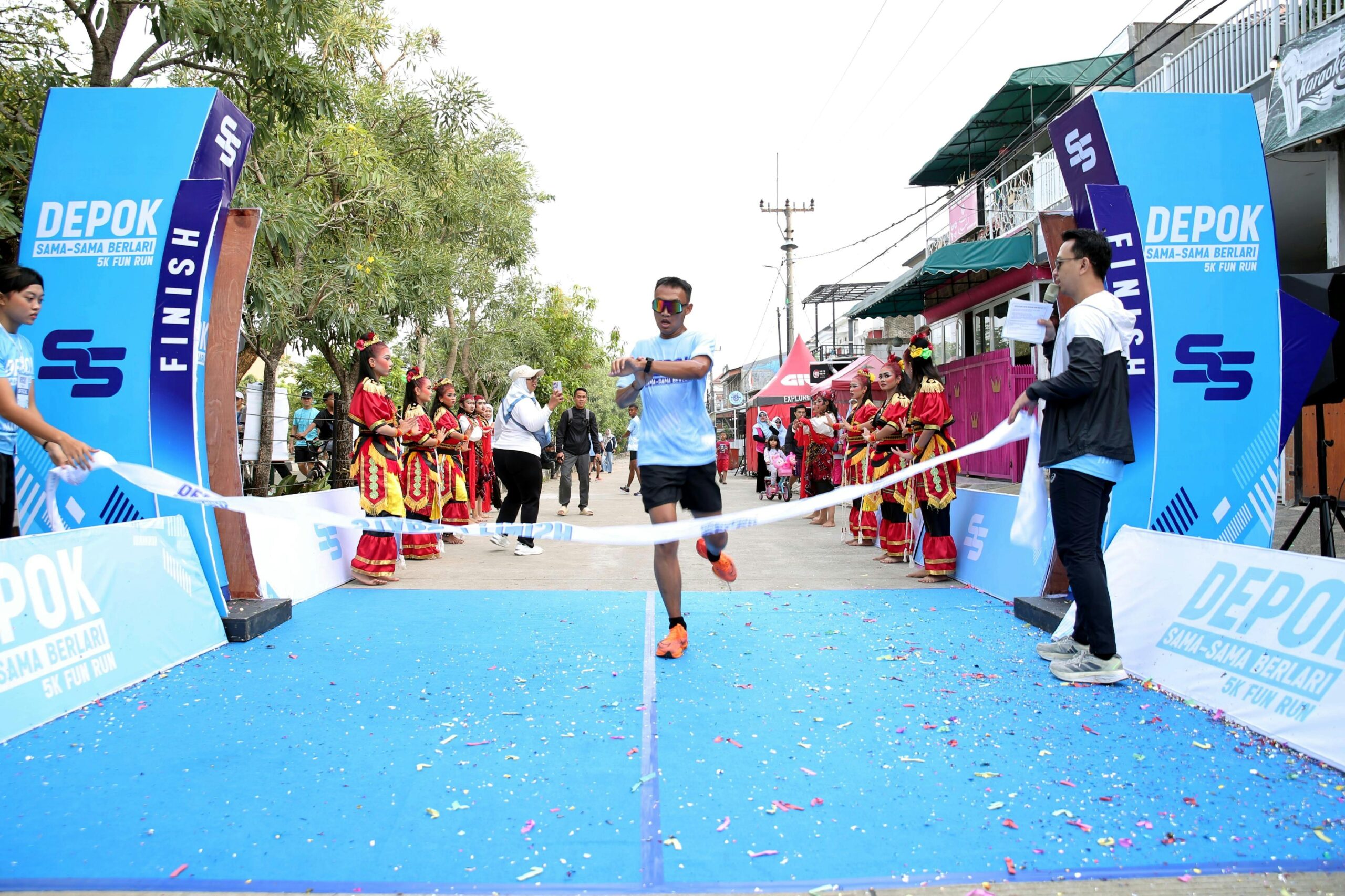
Race morning will feel chaotic. There will be more people than you expect, louder music than you expect, and a level of energy that feels both exciting and overwhelming. Here is what to do:
Arrive 45 to 60 minutes early. Park, pick up your bib if you have not already, pin it to your shirt, use the restroom (twice, because the line is long), and do a light 5 minute warmup walk.
Line up toward the back. Faster runners start at the front. Walkers and slower runners start at the back. You do not want to get trampled in the first 30 seconds by people sprinting out of the gate.
Start slower than you think you should. The adrenaline will make you want to go out fast. Resist. Your first mile should feel easy. You can always speed up in mile 2 or 3 if you feel good.
Walk if you need to. Nobody is watching you. Nobody cares. The volunteers at the water station will cheer just as loudly whether you are running or walking.
Finish strong. When you see the finish line, pick up the pace if you can. Cross that line with your head up. Someone will hand you a medal or a banana or both. Take a photo. You earned it.
Frequently Asked Questions
Can I really go from not running at all to finishing a 5K in 8 weeks?
Yes, if you are generally healthy and can walk for 20 to 30 minutes without issue. The plan gradually builds your running endurance so your body has time to adapt. Thousands of people complete couch to 5K programs every year. You can too.
What if I miss a week of training?
If you miss one week, just pick up where you left off. If you miss two or more weeks, you may need to repeat the last week you completed before moving forward. Do not try to make up missed runs by doubling up. That leads to injury.
Do I need to run on a track or can I run on sidewalks?
Sidewalks, roads, parks, trails, treadmills. All of them work. Run wherever is convenient and safe. Tracks are fine but not required. Variety actually helps keep training interesting.
How fast should I be running during the run intervals?
Slow enough to hold a conversation. For most beginners that is somewhere between 11 and 14 minutes per mile, but your exact pace does not matter. Effort matters. If you can talk in full sentences, you are going the right speed.
What if I cannot complete a run interval?
Stop, walk, catch your breath, and try again. If you consistently cannot complete the intervals for a given week, repeat that week before moving to the next one. There is no shame in going slower. The only failure is quitting entirely.
Should I stretch before or after running?
Dynamic stretching (leg swings, walking lunges, high knees) before running is fine but not required. Static stretching (holding stretches for 30 seconds) is better done after your run when your muscles are warm. Focus on calves, hamstrings, quads, and hip flexors.
What should I wear for my first 5K race?
Wear whatever you have been training in. Race day is not the time to debut new shorts, a new shirt, or new shoes. If you have been training in the same outfit for 8 weeks, wear that. Comfortable and familiar beats new and cute every time.
What Happens After Your First 5K?
You will finish your first 5K. You will feel tired, proud, and probably a little sore the next day. And then you will face a question: what now?
Some people stop running after their first 5K. They checked the box, proved they could do it, and move on. That is fine. But most people who finish a first 5K want to do another one. Maybe run it faster. Maybe try a 10K next. Maybe just keep running a few times a week because it turns out they like it.
I finished that first 5K at 31 years old, got passed by people twice my age, and felt flabbergasted. I also felt something else: curious. Could I get faster? Could I run farther? Turns out the answer to both was yes, but only because I kept showing up.
The hardest part of running is not the training. It is deciding to start. You already made that decision. Now all you have to do is follow the plan.
About the Author
Derek Paulson is a contributing writer at Race Pace Review who started running in 2019 and fell in love with the sport after completing his first 5K. He specializes in beginner-friendly content and believes that anyone can become a runner with the right approach and encouragement. When he’s not running, he’s usually convincing his friends to sign up for their first race.
📖 Related Articles on Race Pace Review
• 16-Week Marathon Training Plan for Beginners
• 12-Week Half Marathon Training Plan for First-Timers
• Best Running Shoes for Beginners in 2025
• How to Start Running: The Complete Beginner’s Guide
• How to Breathe While Running (Fixes Stitches & Fatigue)
• Running With Knee Pain: When to Push Through and When to Stop